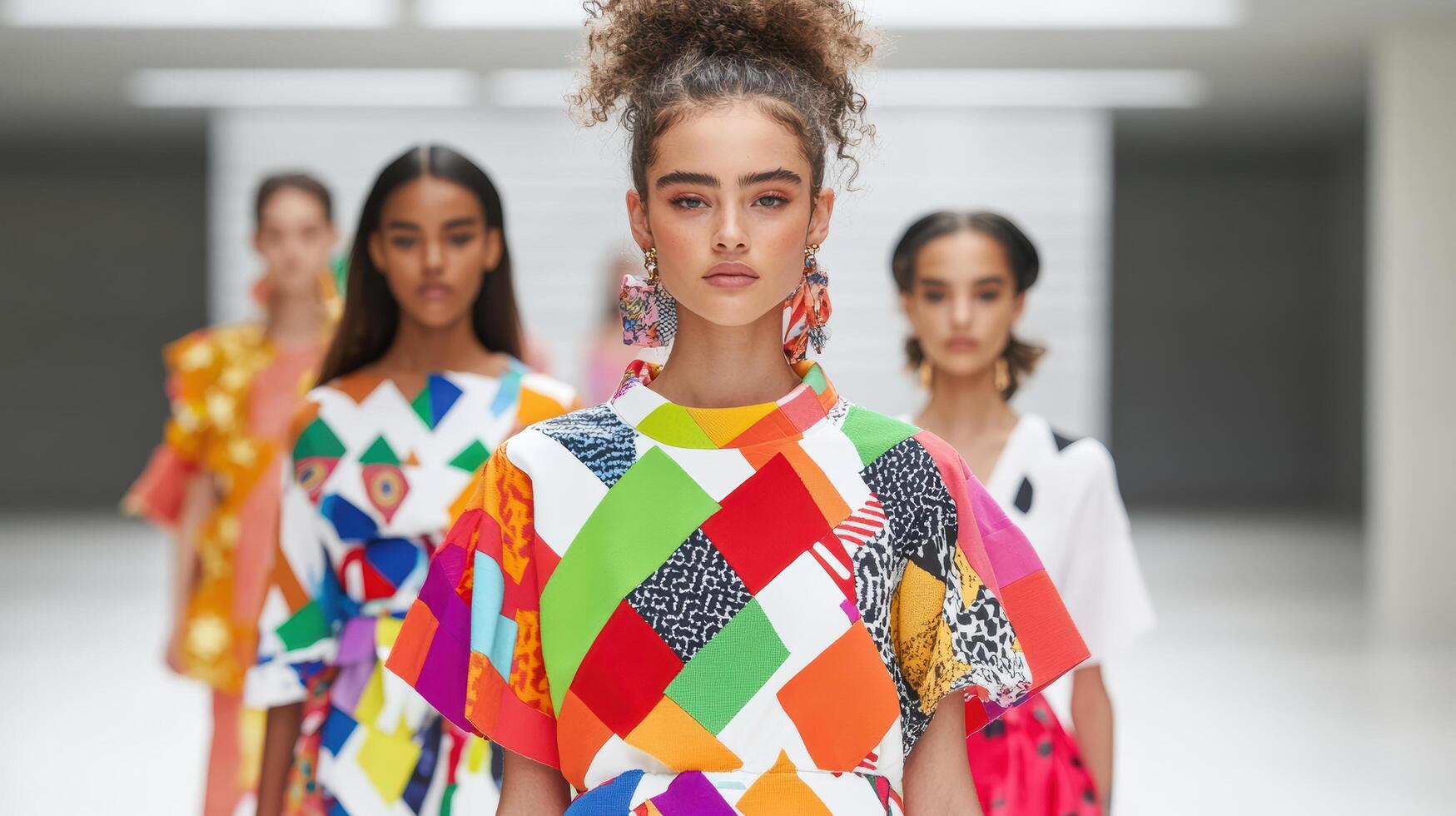
The Intersection of Culture and Fashion
Fashion is an ever-evolving reflection of personal identity, cultural heritage, and social influences. As society progresses, so does its style—often dictated by cultural congruity as well as the complexities of individual expression. The concept of cultural identity plays a significant role in dictating what is deemed fashionable or appropriate at any given time. Take, for instance, the resurgence of old money summer outfits, which draw inspiration from aristocratic legacies and showcase timeless elegance, refined aesthetics, and minimalist luxury.
Historical Context
Understanding the influence of cultural identity on fashion trends requires a look back at history. Fashion has always been a powerful narrative medium, telling stories about societal structures, history, and traditions. In many cultures, clothing serves as a visual marker of one’s social status, profession, or ethnicity. From the intricate patterns of African textiles to the elegant silhouettes of traditional Japanese attire, clothing is woven into the very fabric of cultural identity.
The blending of cultures in our globalized world has led to unique fashion hybrids as well. For example, streetwear culture has influenced mainstream fashion, embracing urban aesthetics and multicultural elements. This concordance of influences continues to shape what we wear, making fashion a rich tapestry reflective of diverse identities.
Modern Influences on Fashion Trends
In today’s world, social media platforms serve as a canvas for cultural expressions, allowing individuals from various backgrounds to share their styles with the world. Influencers play a pivotal role in shaping fashion trends by disseminating representations of cultural identity through their clothing choices. Consider the impact of TikTok and Instagram, where users showcase not just their outfits but also the cultural narratives behind them.
- Globalization: The interconnectedness of cultures allows for cross-pollination of fashion ideas.
- Social Media: Influencers and platforms like TikTok democratize fashion trends and amplify cultural narratives.
- Consumerism: The fast fashion industry often appropriates cultural aesthetics without proper context or respect.
Understanding Fashion Through Cultural Lenses
Cultural identity can be a source of pride for many, manifesting in how they choose to dress. For example, Indigenous fashion designers are increasingly gaining recognition for their craftsmanship and storytelling through clothing, reclaiming cultural narratives and modifying mainstream perceptions of fashion. This indicates a resurgence in valuing not just clothing as garments, but as cultural artifacts with rich histories.
On the flip side, appropriation remains a contentious issue where elements of one culture are borrowed by another, often leading to critiques of authenticity and representation. This brings attention to the responsibility that comes with creating and consuming fashion influenced by cultural identity—a responsibility to honor the origins and meanings behind garments.
Authenticity in Fashion Choices
Today, consumers are more aware of cultural identity and its implications in fashion than ever before. Brands that celebrate and respect cultural diversity tend to resonate deeply with audiences. Fashion from specific cultural backgrounds not only enriches the fashion world but also promotes ethical consumerism. Shoppers are drawn to brands that demonstrate authenticity and commitment to cultural appreciation rather than appropriation. Websites like https://baindoux.com evidence this trend, offering collections that embrace cultural inspiration while maintaining respect for their origins.
Embracing Diversity in Fashion Forwardness
The future of fashion is undeniably connected to cultural identity. As more designers draw from their heritage, the industry will become more inclusive and diverse. This not only allows for broader representation but also challenges conventional fashion narratives. Old money summer outfits may still hold a place in haute couture, but the influence of other cultures and identities on contemporary trends is a testament to the ever-evolving fashion landscape.
The Fashion Revolution: Cultivating Cultural Respect
As cultural appreciation continues to shape the fashion industry, it fosters a deeper connection between consumers and the clothing they wear. The result is a more vibrant, dynamic fashion scene that honors diverse identities, while gracefully intertwining past and present influences. Embracing this complexity might just lead to a richer understanding of not only who we are, but also the stories we choose to wear.